Opensea is an onchain marketplace for NFTs, token swaps, and creator drops
The short version: NFT marketplace and token trading platform where users discover collections, compare ETH floor prices, and browse onchain activity.
Opensea is a marketplace where people discover NFT collections, compare floor prices, mint new drops, swap crypto tokens, and follow onchain activity from one account-connected interface. Its distinctive role is bringing collectibles and token trading into the same browsing flow: a user sees collection floors in ETH or other chain assets, featured drops, token pages, activity feeds, rewards, profiles, and creator tools without treating each market as a separate destination.
The marketplace starts with collection floors and live activity
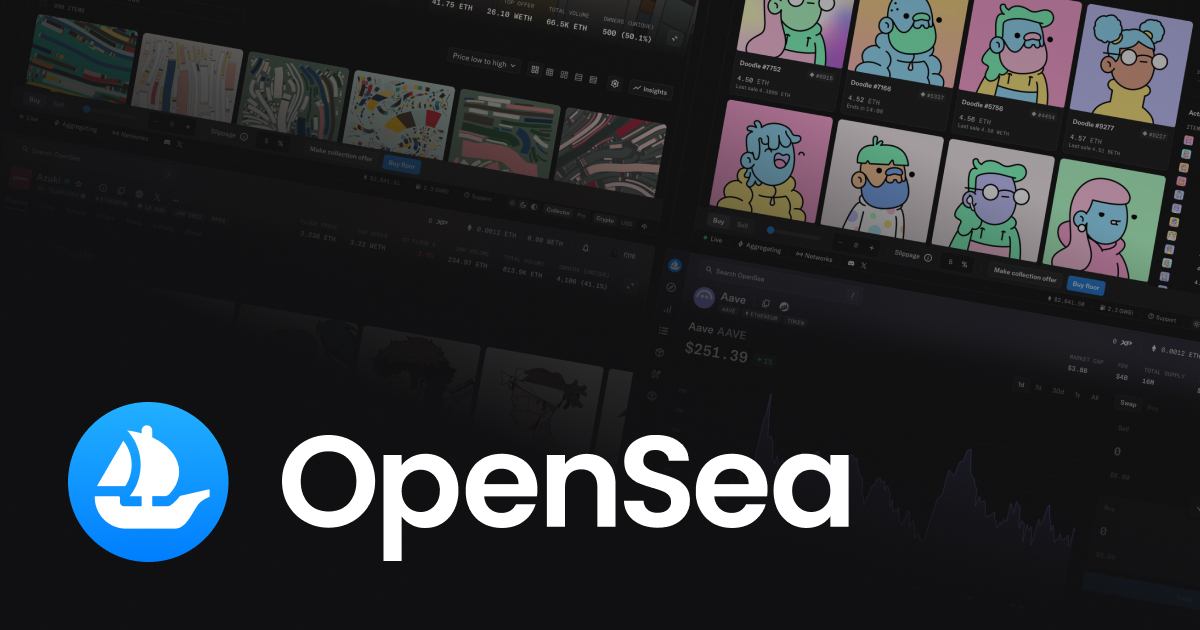
The main browsing experience revolves around collections, floor prices, categories, and recent movement. A floor price is the lowest listed item in a collection, so it gives buyers a quick reference point before they inspect traits, rarity, creator history, and liquidity. On the discover page, art, gaming, PFPs, memberships, music, photography, and other categories sit beside featured collections and daily movers.
That layout matters because NFT markets are thin compared with major token markets. A collection with a low floor and little activity behaves differently from one with many bids, sales, and recent listings. Opensea shows both the price signal and the activity context, which helps users distinguish a collectible with a visible market from one that simply has a posted listing.
How token swaps fit beside NFT trading
Token trading adds a more liquid side to the same onchain experience. The interface includes tokens, swaps, market values such as FDV, and asset pages for names like OP, VIRTUAL, APE, RON, and other supported crypto assets. A swap moves one token into another through connected wallet approvals and an onchain transaction, with the final trade shown before the user signs.
This placement reflects how collectors already behave. Someone buying an NFT priced in ETH, APE, RON, or another asset first needs the right token on the right network. By putting swaps near collection discovery, Opensea reduces the gap between browsing a drop and preparing the wallet balance needed to mint or buy.
Drops turn primary sales into a timed minting workflow
Drops are the primary-sale side of the marketplace. Instead of buying an item from another collector, a user mints from a live or upcoming release. Drop pages show the project name, creator or organizer, mint price, supply, and minted count when that information is available. That makes the page useful before the mint begins and during the sale window.
A mint has a different rhythm from a secondary purchase. The buyer pays the mint price and chain costs, then receives a newly created token if the transaction completes. Scarcity, artwork reveal mechanics, allowlists, and collection rules belong to the project itself, while the marketplace provides the storefront, transaction path, and post-mint visibility.
What a buyer checks before signing a transaction
Before a purchase or mint, the most useful information is concrete and transaction-specific. The listed price, payment token, chain, item identity, collection name, creator details, and checkout total all deserve attention. Wallet prompts carry the final approval step, so the browser page and wallet confirmation should describe the same action.
- Collection floor and recent sales activity
- Payment asset such as ETH, APE, RON, or another supported token
- Network costs shown by the connected wallet
- Creator earnings, marketplace charges, and checkout total
- Item metadata, traits, and collection identity
Opensea makes discovery fast, but wallet signing remains the moment that moves funds or grants permissions. Treat token approvals with the same care as purchases: approve only the asset and amount required for the trade in front of you.
Creator tools cover minting, storefronts, and collection management
Studio gives creators a place to prepare and manage collection releases. The workflow centers on publishing digital items, shaping drop details, and presenting a collection to the public marketplace. For artists, game teams, membership projects, and brand collaborations, that storefront layer matters because the launch page becomes the first market context collectors see.
After launch, collection pages continue to carry the project's market identity. They hold listings, offers, floor movement, item pages, and activity history. Opensea therefore serves both sides of the creator cycle: the initial sale through drops and the secondary market where holders trade after minting.
Profiles, rewards, and Collector Pro serve repeat users
Profiles organize a wallet-connected identity around collected items, activity, and settings. Repeat buyers use profiles to review holdings, display NFTs, and move between account-level actions. The rewards area adds another layer for users who qualify through marketplace activity or specific campaigns, while Collector Pro points toward a more advanced trading experience for people who monitor markets closely.
Those features are less important for a one-time visitor and more important for someone managing several collections. A trader comparing floor moves, a collector watching bids, and a creator checking post-drop activity all need faster access to account history than a simple product gallery provides.
Networks and payment tokens shape the real cost
NFTs trade across multiple ecosystems, and the payment token is part of the listing itself. ETH appears across many collections, while APE, RON, and HYPE show up where collections and networks support them. The chain determines wallet compatibility, gas behavior, settlement time, and which funds must be available before checkout.
Costs come from several places rather than one label. A buyer sees the item or mint price, marketplace and creator amounts when applied, and the transaction cost from the network. Token swaps add their own route pricing and approval flow. Opensea presents the trade path, but the connected wallet is where the final signature authorizes the onchain result.
Where it stands beside Blur, Magic Eden, and Coinbase NFT
The NFT marketplace field splits by audience and network strength. Blur is known for professional Ethereum NFT traders who prioritize bidding, liquidity, and fast market views. Magic Eden has a strong reputation across Solana and gaming-oriented collectibles while also supporting broader NFT trading. Coinbase NFT connected with users already familiar with Coinbase accounts, though its cultural footprint never matched the largest specialist marketplaces.
Notably, Opensea remains the broad discovery option: collections, drops, swaps, token pages, activity, profiles, and creator tools sit together. That breadth suits users who want a single starting point for NFT research and onchain trading preparation rather than a narrowly optimized trading terminal.
Getting started with a wallet and a specific purchase in mind
A new user begins by connecting a compatible crypto wallet, choosing the right network, and funding it with the token needed for the intended action. Browsing first is useful: compare the collection floor, open a few item pages, check recent activity, and look at the drop or listing details before preparing funds.
Once the target is clear, the workflow is direct. For a secondary NFT, select the item, review the checkout details, and sign the purchase in the wallet. For a drop, follow the mint page and confirm the mint transaction. For a token swap, choose the input and output assets, review the route and received amount, then approve and sign. Opensea brings those actions into one interface, which is its main advantage for users moving between NFTs and tokens.
Questions people ask about Opensea
What fees show up when buying an NFT on Opensea?
A checkout total includes the item price or mint price, any marketplace or creator amounts that apply to that transaction, and the network cost shown by the connected wallet. The exact total changes with the collection, payment token, chain, and current network demand. Review the checkout screen and wallet prompt together, because the wallet signature is the action that authorizes the onchain purchase.
Can I use Opensea without owning ETH first?
You need the payment asset required by the listing, mint, or swap route you choose. Many collections use ETH, but some use assets such as APE, RON, or other supported tokens on their respective networks. If your wallet lacks the right asset, a token swap or transfer from another wallet or exchange is needed before the purchase completes.
Which wallets work with Opensea purchases?
The marketplace works through crypto wallets that support the network and asset involved in the transaction. Browser wallets and mobile wallets are common choices, but compatibility depends on the chain used by the collection or token. The important requirement is that the wallet holds the right payment token, connects to the correct network, and can sign the transaction shown at checkout.
Is a floor price the same as an NFT valuation?
A floor price is the lowest active listing in a collection, not a full valuation of every item. Rare traits, edition size, provenance, recent sales, and available bids all change how a specific NFT is priced. The floor is useful for a quick market snapshot, but item-level details explain why one token trades above or below that baseline.
What happens if an Opensea transaction fails?
A failed transaction does not transfer the NFT or complete the swap, but the network still records the attempted action. On chains with gas costs, the wallet balance reflects the transaction fee even when execution fails. Common causes include price changes, unavailable listings, insufficient funds, expired approvals, or network congestion. Retrying makes sense only after checking the updated listing, wallet balance, and network status.
Does Opensea custody my NFTs after I buy them?
Purchased NFTs settle to the wallet address that signed the transaction. The marketplace displays items, listings, offers, and activity, while ownership is recorded onchain through the relevant token contract. Keeping access to the wallet matters because that wallet controls future transfers, listings, and sales. Losing wallet access means losing practical control over the assets tied to that address.